Showing posts with label Glass Cutting Machine. Show all posts

Thursday, June 6, 2024

The Benefits of CNC Glass Cutting Machines for Precision Work

CNC (Computer Numerical Control) glass cutting machines have revolutionized the glass industry by offering unparalleled precision, efficiency, and versatility in cutting glass. These machines use computer-controlled systems to guide the cutting tools along the desired path, allowing for highly accurate and complex cuts that were once difficult or impossible to achieve with traditional methods. This article explores the numerous benefits of CNC glass cutting machines for precision work in various industries.

Superior Precision and Accuracy

One of the primary advantages of CNC glass cutting machines is their ability to achieve extremely high levels of precision and accuracy. The computer-controlled systems can guide the cutting tools to within fractions of a millimeter, ensuring that even the most intricate designs and patterns are cut with exacting detail. This level of precision is essential for industries such as electronics, where glass components must fit together perfectly to ensure proper functionality.

Increased Efficiency and Productivity

CNC glass cutting machines are significantly more efficient than traditional manual cutting methods. These machines can work continuously, cutting multiple pieces of glass with consistent precision and speed. This increased efficiency translates into higher productivity, allowing manufacturers to produce more glass products in less time.

Versatility in Cutting Options

For instance, LAD's CNC glass cutting machine production line offers a wide range of cutting options, allowing manufacturers to create complex shapes and designs with ease. These machines can cut straight lines, curves, angles, and even intricate patterns, opening up a world of design possibilities for architects, artists, and designers. Additionally, CNC machines can cut glass of various thicknesses, making them suitable for a wide range of applications.

Reduced Material Waste

The precision of CNC glass cutting machines helps reduce material waste significantly. By cutting glass with minimal kerf (the width of the cut), these machines maximize the amount of usable glass from each sheet, reducing the overall cost of production. This is especially important for expensive specialty glass or when working with limited quantities of glass.

Improved Safety and Ergonomics

CNC glass cutting machines improve safety in the workplace by reducing the need for manual cutting methods. Manual glass cutting can be dangerous, as it requires the operator to handle sharp tools and glass shards. CNC machines eliminate these risks by automating the cutting process, ensuring that operators are not exposed to potential hazards.

Enhanced Quality Control

CNC glass cutting machines offer superior quality control compared to manual cutting methods. The computer-controlled systems can be programmed to perform precise measurements and cuts, ensuring that each piece of glass meets the required specifications. This level of quality control is essential for industries such as automotive and aerospace, where precision is critical.

Cost-Effectiveness

While CNC glass cutting machines may have a higher initial cost compared to traditional cutting methods, they offer significant cost savings in the long run. The efficiency and precision of these machines reduce labor costs and material waste, ultimately lowering the overall cost of production. Additionally, the versatility of CNC machines allows manufacturers to offer a wider range of products, potentially increasing revenue and profitability.
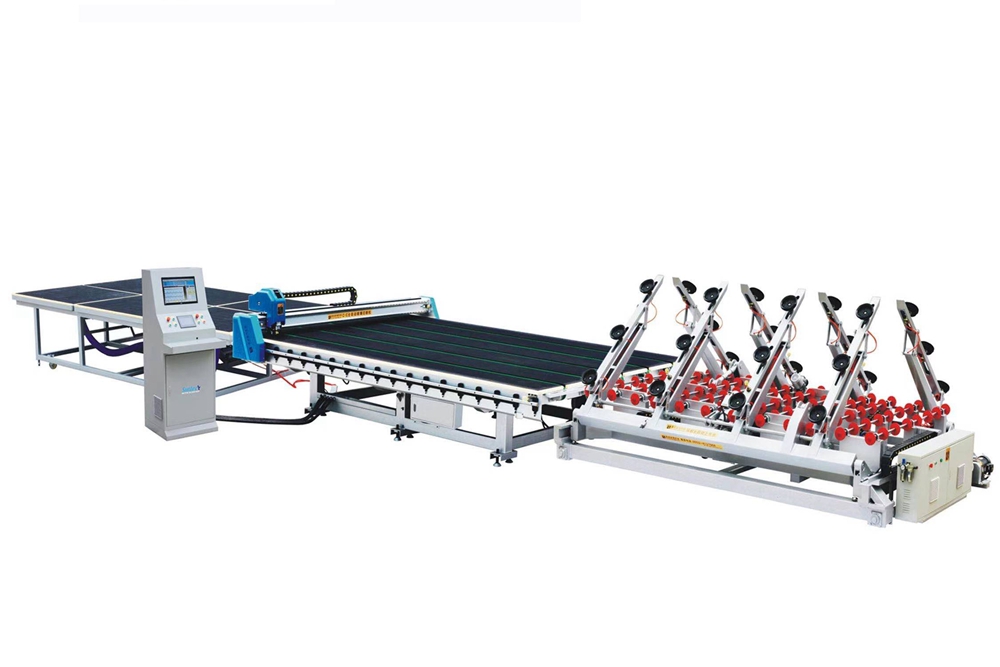
CNC Glass Cuting Machine

Applications of CNC Glass Cutting Machines

CNC glass cutting machines are used in a variety of industries and applications, including:

Automotive: CNC machines are used to cut glass for automotive windows, windshields, and sunroofs with precise dimensions to ensure a perfect fit.

Architecture: CNC machines are used to create intricate glass facades, walls, and windows in modern buildings, adding a touch of elegance and sophistication to architectural designs.

Electronics: CNC machines are used to cut glass for electronic displays, touchscreens, and solar panels with precise dimensions and shapes to ensure proper functionality.

Art and Design: CNC machines are used by artists and designers to create custom glass artwork, sculptures, and installations with intricate designs and patterns.

Conclusion

CNC glass cutting machines have revolutionized the glass industry by offering superior precision, efficiency, and versatility in cutting glass. These machines are essential for industries that require precise glass components, such as electronics, architecture, and automotive. The benefits of CNC glass cutting machines, including increased efficiency, reduced material waste, and enhanced safety, make them an invaluable tool for manufacturers and designers seeking to achieve the highest levels of precision and quality in their glass products.
The Evolution of Glass Cutting Machines: From Manual to High-Tech

Glass cutting is an essential process in numerous industries, including construction, automotive, electronics, and art. Over the centuries, the methods and technologies used for cutting glass have evolved dramatically, transitioning from simple manual techniques to sophisticated high-tech machines. This evolution has significantly improved the precision, efficiency, and versatility of glass cutting, enabling the production of high-quality glass products for a wide range of applications. This article explores the journey of glass cutting technology from its early manual beginnings to the advanced, automated systems of today.

Early Manual Glass Cutting Techniques

In ancient times, glass cutting was a labor-intensive process that required significant skill and dexterity. Early glass artisans used simple hand tools, such as metal or diamond-tipped scribes, to score the glass surface. They would then apply pressure along the scored line to snap the glass along the desired path. This method, while effective for small-scale and artistic applications, had limitations in terms of precision and consistency. The quality of the cut largely depended on the artisan's skill and experience.

Introduction of Simple Machines

As the demand for glass products grew, so did the need for more efficient and reliable cutting methods. The introduction of simple mechanical tools in the 19th century marked the first significant advancement in glass cutting technology. One of the earliest innovations was the wheel cutter, a handheld tool equipped with a small, hardened steel or tungsten carbide wheel. The wheel cutter allowed for smoother and more precise scoring of the glass, reducing the risk of breakage and improving the overall quality of the cut.

Emergence of Automated Glass Cutting Machines

The industrial revolution brought about significant changes in glass manufacturing, including the development of automated glass cutting machines. These machines used mechanical systems to score and break the glass, greatly increasing production speed and consistency. Early automated machines were typically driven by steam or hydraulic power and were capable of cutting large sheets of glass with greater accuracy than manual methods.

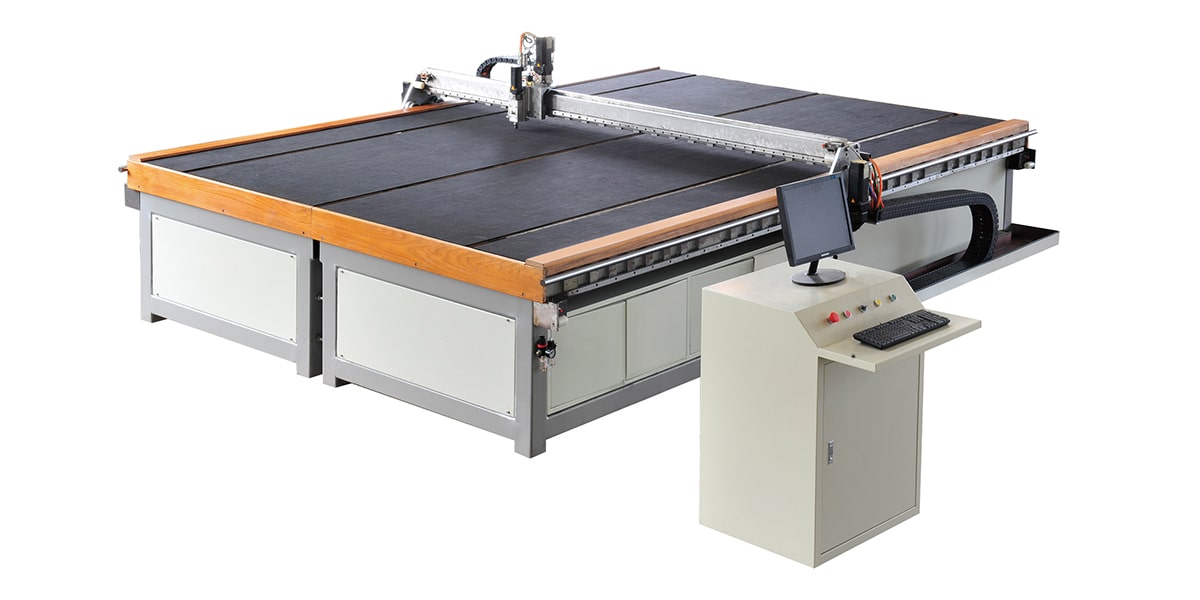
Glass Cutting Machine

Advancements in CNC Technology

The advent of computer numerical control (CNC) technology in the late 20th century revolutionized the glass cutting industry. CNC glass cutting machines use computer-controlled systems to precisely guide the cutting tools along the desired path, allowing for highly accurate and complex cuts. These machines can be programmed to perform a wide range of cutting operations, including straight cuts, curves, and intricate patterns.

CNC technology also enabled the integration of multiple cutting tools, such as diamond-tipped blades, water jets, and laser beams, into a single machine. This versatility allows manufacturers to choose the most appropriate cutting method for each specific application, further enhancing the quality and efficiency of the cutting process.

High-Tech Innovations in Glass Cutting

Today, the glass cutting industry continues to benefit from ongoing technological advancements. Modern high-tech glass cutting machines incorporate a range of innovative features that enhance performance, precision, and ease of use. Some of the most notable innovations include:

Laser Cutting Technology: Laser glass cutting machines use focused laser beams to melt and vaporize the glass along the desired cutting path. This method offers exceptional precision and minimal material wastage, making it ideal for applications requiring intricate and delicate cuts. Laser cutting is also non-contact, reducing the risk of surface damage and contamination.

Water Jet Cutting: Water jet glass cutting machines use high-pressure streams of water mixed with abrasive particles to cut through the glass. This method is highly effective for cutting thick and multi-layered glass, as well as complex shapes. Water jet cutting is also environmentally friendly, as it produces no harmful fumes or residues.

Automated Loading and Unloading: Modern glass cutting machines often feature automated systems for loading and unloading glass sheets, reducing manual labor and increasing production efficiency. These systems can handle large and heavy glass panels with precision, minimizing the risk of damage during handling.

Advanced Control Systems: Today's glass cutting machines are equipped with sophisticated control systems that allow for real-time monitoring and adjustment of cutting parameters. These systems ensure optimal performance and consistency, even for complex and high-volume production runs. They also provide valuable data for process optimization and quality control.

Conclusion

The evolution of glass cutting machines from manual tools to high-tech automated systems has transformed the glass manufacturing industry. These advancements have not only improved the precision, quality, and efficiency of glass cutting but also expanded the possibilities for innovative glass products and applications. As technology continues to advance, we can expect further improvements and new developments in glass cutting machines, driving the industry toward even greater heights of excellence and sustainability.